What is a Manual Treadmill? A Comprehensive Guide (Updated 04/21/2026)
Manual treadmills offer a self-powered running experience‚ differing from motorized versions; they rely on user effort‚ blending outdoor running’s benefits with indoor convenience.
Manual treadmills represent a compelling alternative to their motorized counterparts‚ offering a unique approach to indoor cardiovascular exercise. Unlike traditional treadmills that utilize an electric motor to drive the belt‚ manual treadmills are entirely human-powered. This fundamental difference dictates the entire exercise experience‚ demanding greater engagement from the user and mimicking the natural mechanics of outdoor running more closely.
Essentially‚ a manual treadmill operates on a simple principle: your own stride and momentum move the belt. This requires consistent effort and actively engages more muscle groups‚ including the core and legs‚ compared to a motorized treadmill where the machine assists with the movement. The result is a workout that feels more akin to running on a track or road‚ but within the controlled environment of your home or gym.
The growing popularity of manual treadmills stems from a desire for a more natural‚ challenging‚ and often more affordable fitness solution. They appeal to individuals seeking a robust workout‚ those wanting to reduce their carbon footprint‚ or those who simply prefer the feel of a self-propelled running surface. They bridge the gap between the convenience of indoor exercise and the benefits of outdoor running.
How Manual Treadmills Differ from Motorized Treadmills
The core distinction between manual and motorized treadmills lies in their power source. Motorized treadmills rely on an electric motor to rotate the belt‚ allowing users to set a specific pace and incline with minimal effort. Manual treadmills‚ conversely‚ require the user to generate all the power through their own movement‚ creating a self-propelled experience.
This difference impacts several key aspects of the workout. Motorized treadmills often feature pre-programmed workouts‚ incline adjustments at the touch of a button‚ and speed controls. Manual treadmills offer less automation‚ demanding greater user control and physical exertion. The pace directly correlates to the user’s stride‚ and incline is often adjusted manually.
Furthermore‚ the muscle engagement differs. Motorized treadmills can encourage a more relaxed running form‚ while manual treadmills necessitate a more active and engaged stride‚ utilizing more core and leg muscles. Cost is another factor; manual treadmills are generally less expensive and don’t incur electricity costs. Finally‚ the feel is distinct – manual treadmills closely mimic the sensation of outdoor running‚ offering a more natural experience.
The Core Components of a Manual Treadmill
A manual treadmill‚ while simpler in design than its motorized counterpart‚ comprises several key components working in harmony. The frame provides the structural foundation‚ typically constructed from steel for durability and stability. The running belt‚ usually multi-layered‚ is the surface upon which the user walks or runs‚ requiring a smooth‚ consistent texture for optimal performance;
Beneath the belt lies the deck‚ a shock-absorbing surface crucial for reducing impact on joints. The rollers – front and rear – facilitate belt movement; the rear roller often incorporates resistance adjustment mechanisms. Handrails provide support and balance‚ though their design varies between models.
Unlike motorized treadmills‚ manual versions lack a motor and console with complex electronics. However‚ many include a basic console displaying metrics like speed‚ distance‚ time‚ and estimated calories burned‚ often powered by user input or batteries. Finally‚ resistance mechanisms‚ such as adjustable knobs or magnetic systems‚ allow users to modify the difficulty of their workout‚ simulating inclines and increasing exertion.
Benefits of Using a Manual Treadmill
Manual treadmills present a unique set of advantages for fitness enthusiasts. A primary benefit is their energy efficiency; requiring no electricity‚ they reduce your carbon footprint and eliminate energy costs. This self-powered nature also fosters a more natural running gait‚ as you dictate the pace entirely‚ mirroring outdoor running more closely.
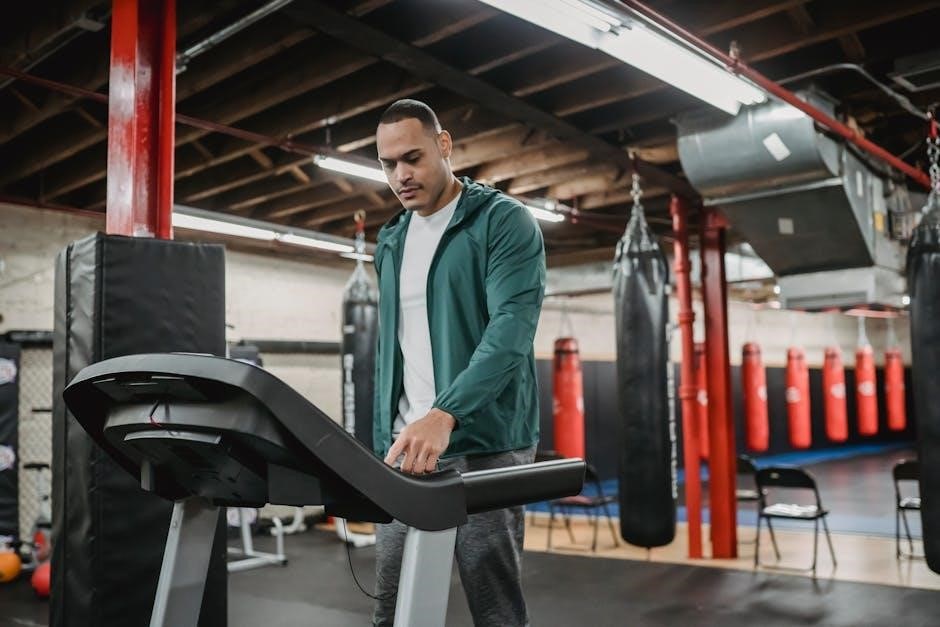
They are exceptionally portable and often more compact than motorized models‚ making them ideal for smaller living spaces. The user-controlled speed encourages a more mindful workout‚ promoting better form and body awareness. Furthermore‚ manual treadmills typically require greater muscular effort‚ leading to increased calorie expenditure and improved cardiovascular health.
Beyond physical benefits‚ they offer convenience – allowing you to exercise regardless of weather conditions. They are also generally more affordable than motorized options‚ making fitness accessible to a wider range of individuals. Finally‚ the absence of pre-programmed settings encourages self-motivation and personalized workout routines.
Calorie Burn and Manual Treadmills: What to Expect
Calorie expenditure on a manual treadmill is highly individualized‚ dependent on factors like body weight‚ workout intensity‚ and duration. Because you power the belt‚ you generally burn more calories compared to a motorized treadmill at the same perceived exertion level. This increased effort engages more muscle groups‚ boosting metabolic rate.
Estimates suggest that a 150-pound individual can burn approximately 300-400 calories in 30 minutes of moderate-intensity walking‚ and 400-600 calories during running. However‚ these are just averages; actual burn can vary significantly. The self-propelled nature demands greater energy output from the user‚ contributing to a higher caloric deficit.
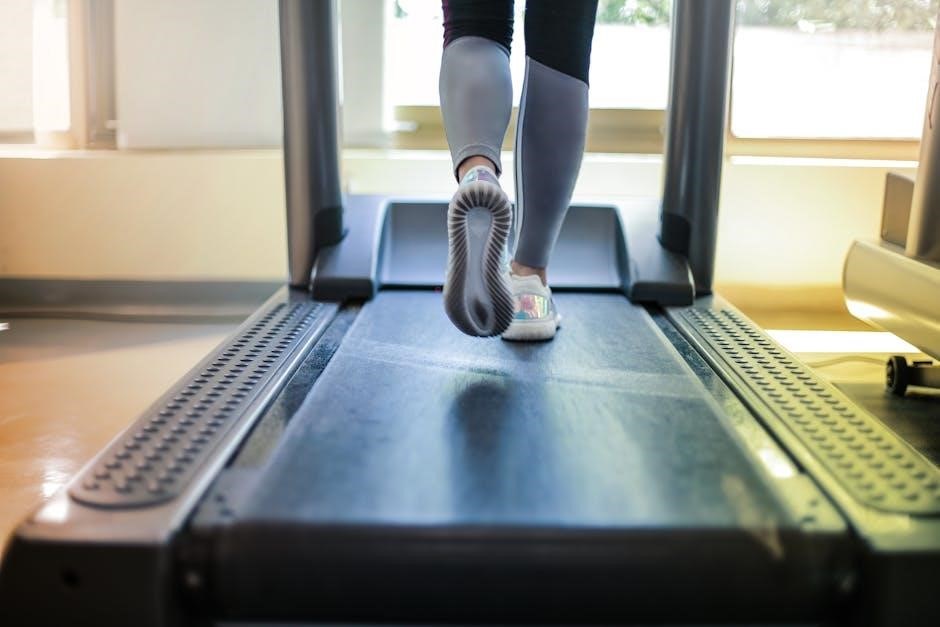
To maximize calorie burn‚ incorporate interval training and incline adjustments. Increasing the incline simulates uphill running‚ further intensifying the workout. Remember that consistent use‚ combined with a healthy diet‚ is crucial for achieving weight loss goals. Monitoring your heart rate can also help gauge workout intensity and calorie expenditure effectively.
Manual Treadmill Workouts for Beginners
Starting slow is key when transitioning to a manual treadmill. Begin with a 5-10 minute warm-up of brisk walking at a comfortable pace‚ focusing on proper form – maintaining an upright posture and engaging your core. Gradually increase your speed‚ allowing your legs to naturally drive the belt.
A foundational workout could involve 20-30 minutes of continuous walking‚ interspersed with short bursts of slightly faster walking (30-60 seconds) followed by recovery periods. Focus on consistent movement rather than high speed. Incorporate gentle inclines to challenge your muscles without overexertion.
As you build stamina‚ introduce interval training: alternate between 1 minute of brisk walking and 1 minute of slower recovery walking for 15-20 minutes. Remember to listen to your body and take breaks when needed. Cool down with 5-10 minutes of slow walking and stretching. Prioritize form over speed to prevent injuries and maximize benefits.
Advanced Workouts for Experienced Users
Experienced users can leverage manual treadmills for high-intensity interval training (HIIT) and endurance challenges. Begin with a dynamic warm-up‚ including leg swings and torso twists‚ preparing muscles for intense activity. Incorporate sprint intervals – 30-60 seconds of maximum effort‚ followed by 60-90 seconds of active recovery walking.
Hill simulations are highly effective; increase the incline to mimic uphill running‚ challenging cardiovascular fitness and leg strength. Try sustained hill climbs (2-3 minutes) followed by recovery periods. Tempo runs‚ maintaining a challenging but sustainable pace for 20-30 minutes‚ build endurance.
For a full-body workout‚ add plyometric exercises on the treadmill – carefully executed jumping jacks or high knees (ensure a stable pace). Consider longer duration workouts (45-60 minutes) at varying speeds and inclines. Focus on power and maintaining proper form throughout each interval. Cool down with static stretching‚ holding each stretch for 30 seconds.
Impact on Joints: Manual vs. Motorized Treadmills

Manual treadmills generally offer a more natural gait and potentially lower joint impact compared to motorized models. This stems from the user controlling the belt speed‚ promoting a more biomechanically sound stride. Motorized treadmills‚ with their consistent belt movement‚ can sometimes encourage overstriding‚ increasing stress on knees and hips.

However‚ impact levels depend heavily on individual running form‚ footwear‚ and the surface. Proper cushioning within the treadmill itself – whether manual or motorized – is crucial. Manual treadmills often have a slightly firmer feel‚ which can engage stabilizing muscles more effectively.

Users with pre-existing joint conditions should consult a healthcare professional before using any treadmill. Focus on maintaining good posture‚ a midfoot strike‚ and avoiding excessive heel striking. Gradual increases in intensity and duration are vital to allow joints to adapt. Ultimately‚ both types can be joint-friendly with mindful use and appropriate preparation.
Manual Treadmills and Weight Loss
Manual treadmills are effective tools for weight loss‚ primarily due to the increased effort required to power the belt. This translates to a higher calorie burn compared to walking or running at the same pace on a motorized treadmill. Because you’re actively driving the movement‚ more muscle groups are engaged‚ boosting metabolic rate.

Weight loss success hinges on creating a calorie deficit – burning more calories than consumed. Manual treadmill workouts contribute significantly to this deficit. Combining regular sessions with a balanced diet is key. Interval training‚ incorporating periods of high-intensity effort with recovery‚ is particularly effective for maximizing calorie expenditure.
The self-propelled nature also encourages a more mindful approach to exercise. Users tend to maintain a consistent‚ sustainable pace‚ reducing the risk of overexertion. Remember‚ consistency is paramount; regular‚ moderate-intensity workouts yield better long-term results than infrequent‚ intense sessions. Manual treadmills empower users to take control of their fitness journey.
Choosing the Right Manual Treadmill: Key Considerations
Selecting a manual treadmill requires careful consideration of several factors. First‚ assess your fitness level and goals. Beginners might prefer models with a gentler slope adjustment‚ while experienced runners may desire steeper inclines for increased challenge.
Belt size is crucial; ensure it’s long and wide enough to comfortably accommodate your stride length. A longer belt prevents feeling constricted‚ and a wider one offers greater stability. Frame construction is also vital – look for sturdy steel frames that can withstand regular use. Weight capacity should exceed your body weight for safety and durability.
Consider features like adjustable resistance levels‚ which simulate varying terrains. Console displays providing feedback on speed‚ distance‚ and calories burned can enhance motivation. Finally‚ think about portability and storage; some models are foldable for convenient storage. A well-chosen manual treadmill will become a valuable asset in your fitness routine.
Price Range and Budget Options
Manual treadmills exhibit a wide price range‚ influenced by features‚ build quality‚ and brand reputation. Entry-level models‚ suitable for walking and light jogging‚ typically start around $200 to $500. These often have basic features and a limited weight capacity.
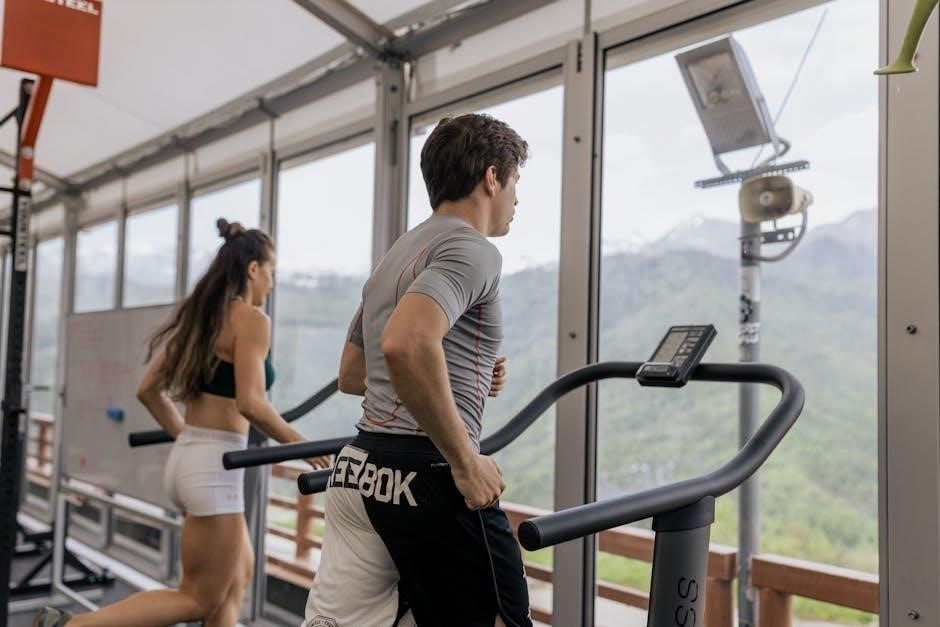
Mid-range options‚ priced between $500 and $1000‚ offer improved durability‚ larger belt sizes‚ and adjustable resistance. These are ideal for regular runners seeking a more challenging workout. Premium manual treadmills‚ exceeding $1000‚ boast robust construction‚ advanced features like curved designs‚ and higher weight capacities.
Budget-conscious buyers can explore used options or look for sales and discounts. However‚ prioritize quality and safety over price. Consider your long-term fitness goals when determining your budget; Investing in a durable treadmill will provide years of reliable use‚ ultimately offering better value than a cheaper‚ less robust model.
Top Brands in the Manual Treadmill Market

Several brands consistently receive high praise in the manual treadmill market‚ each offering unique strengths. Sole Fitness is renowned for its durable construction and reliable performance‚ often favored for heavier users. Horizon Fitness provides a balance of affordability and quality‚ making them a popular choice for beginners.
NordicTrack‚ while known for motorized treadmills‚ also offers curved manual options with innovative features and interactive training programs. XTERRA Fitness presents budget-friendly models without compromising on essential functionality. For a premium‚ high-performance experience‚ True Form Runner specializes in curved‚ self-powered treadmills designed for serious athletes.
Reebok also features in the market‚ offering a range of fitness equipment including manual treadmills. When selecting a brand‚ consider factors like warranty‚ customer support‚ and user reviews. Researching each brand’s reputation will help you find a treadmill that aligns with your needs and budget.
Maintenance and Care for Your Manual Treadmill
Regular maintenance is crucial for extending the lifespan and ensuring optimal performance of your manual treadmill. Dust and debris should be wiped down after each use with a soft‚ damp cloth‚ focusing on the running belt and frame. Periodically inspect the belt for any signs of wear and tear‚ such as cracks or fraying.
Lubrication‚ though less frequent than with motorized models‚ is still important; consult your treadmill’s manual for recommended lubricants and application instructions. Check all bolts and screws monthly to ensure they remain tightened‚ preventing unwanted movement and noise. Avoid placing the treadmill in direct sunlight or humid environments‚ as this can damage components.
Proper storage when not in use‚ such as covering it with a dust cover‚ will also contribute to its longevity. Address any squeaks or unusual noises promptly‚ as they may indicate a developing issue. Following these simple steps will keep your manual treadmill running smoothly for years to come.
Troubleshooting Common Issues
Slipping of the belt is a frequent concern; ensure proper warm-up and consistent stride length. Resistance feeling uneven can often be resolved by checking the tension adjustment knob‚ tightening if needed. Squeaking noises typically indicate a need for belt lubrication – apply a silicone-based lubricant sparingly.
Difficulty in starting the belt might stem from insufficient user effort; manual treadmills require a strong initial push. Frame instability or wobbling suggests loose bolts – systematically tighten all connections. Unusual clicking sounds could indicate debris under the belt; carefully inspect and remove any obstructions.
If the belt stops abruptly during use‚ immediately check for obstructions or excessive strain. Consult the user manual for specific troubleshooting steps related to your model. For persistent issues‚ contacting the manufacturer’s customer support is recommended to avoid further damage or injury.
The Future of Manual Treadmill Technology
Innovations are emerging‚ focusing on enhanced user experience and performance metrics. Electromagnetic resistance systems are being explored to simulate inclines more realistically without relying solely on user power. Integration with fitness apps and wearable technology will provide detailed workout data and personalized training plans.
Smart manual treadmills may feature biofeedback sensors‚ adjusting resistance based on heart rate or exertion levels. Sustainable materials and eco-friendly manufacturing processes are gaining traction‚ appealing to environmentally conscious consumers. Foldable and compact designs will continue to improve‚ catering to smaller living spaces.
Advanced belt materials are being developed to reduce friction and enhance durability. Virtual reality integration could offer immersive running experiences‚ simulating outdoor environments. The future promises a blend of traditional manual functionality with cutting-edge technology‚ making them even more versatile and effective fitness tools.