Horstmann Electronic 7 Instruction Manual: A Comprehensive Guide
The Horstmann Electronic 7 efficiently controls your immersion heater, utilizing cost-effective night-rate electricity. It ensures hot water availability, offering a ‘boost’ function for immediate heating needs, or programmed upper element control.
The Horstmann Electronic 7 water heater controller represents a significant advancement in domestic hot water management, meticulously engineered to optimize both economic efficiency and user convenience. This device is specifically designed to govern your immersion heater, capitalizing on the benefits of off-peak, typically night-rate, electricity tariffs. The core principle behind its operation is to heat water during these cheaper periods, guaranteeing a readily available supply of hot water for morning use.
However, the Electronic 7 isn’t simply a timer; it’s a versatile system. Depending on your tank size and hot water consumption patterns, a single overnight heating cycle often suffices for daily needs. But recognizing that demand can fluctuate, the controller incorporates a ‘boost’ function. Activating this feature instantly engages the immersion heater for a fixed duration – one hour – providing supplemental hot water whenever required.
Furthermore, the Electronic 7 caters to users with more predictable, yet occasional, increased hot water requirements. The ‘boost’ element, commonly the upper element within the tank, can be programmed to activate daily at a pre-defined time, heating only a portion of the tank. This targeted heating approach further enhances energy conservation. The controller also accommodates tariffs offering daytime off-peak periods, providing even greater flexibility in energy usage.
Key Features and Benefits
The Horstmann Electronic 7 boasts a suite of features designed for optimal hot water control and cost savings; Its primary benefit lies in the efficient utilization of off-peak electricity tariffs, significantly reducing heating expenses by maximizing consumption during cheaper rate periods. The intuitive LCD display provides clear visibility of the current time and programmed heating schedules, simplifying operation and monitoring.
Visual feedback is crucial, and the Electronic 7 delivers through illuminated indicator lights, instantly communicating the status of programmed cycles or active boost operations. The straightforward design ensures ease of use, even for those unfamiliar with electronic timers. The convenient ‘boost’ button offers on-demand heating, providing hot water quickly when needed, while the programmable ‘boost’ element allows for targeted heating of a smaller tank volume.
Beyond immediate convenience, the Electronic 7’s adaptability is a key advantage. It supports multiple off-peak periods, accommodating diverse tariff structures. The unit’s robust construction ensures long-term reliability, and its simple operating instructions facilitate effortless programming and maintenance, making it a valuable asset for any home.
Understanding the LCD Display
The LCD display is the central interface for interacting with the Horstmann Electronic 7, providing essential information at a glance. Its primary function is to clearly present the current time, allowing users to easily verify the system’s accuracy. More importantly, the display facilitates the setting and viewing of programmed heating schedules, enabling precise control over hot water availability.
When programming timed heating periods, the LCD will visually represent the start and end times of each cycle, ensuring accurate configuration. The display’s clarity is paramount, offering a user-friendly experience even in varying lighting conditions. It’s designed to be easily readable, minimizing the need for close inspection.
While the display doesn’t offer extensive graphical representations, its simplicity is its strength. It focuses on delivering the core information needed for effective operation – time and programmed schedules. Understanding the LCD’s layout is fundamental to maximizing the benefits of the Electronic 7, allowing for efficient and customized hot water management.
Indicator Lights Explained
Illuminated indicators on the Horstmann Electronic 7 provide crucial visual feedback regarding the system’s operational status. These lights aren’t merely decorative; they communicate whether programmed schedules are active or if the boost function is engaged, offering immediate insight into the controller’s behavior.
A key indicator signifies when a timed heating period is currently running. This allows users to quickly confirm that the system is operating as programmed, without needing to check the LCD display constantly. Another indicator clearly shows when the boost function is active, confirming that the immersion heater is providing supplemental heating.
The presence or absence of these illuminated indicators is a simple yet effective way to monitor the Electronic 7’s performance. They offer a quick visual check, ensuring that hot water is being heated according to your preferences and needs. Understanding these indicators is essential for efficient operation and troubleshooting, providing a clear indication of the system’s state.
Control Panel Overview: Boost Button & Switched Output Control
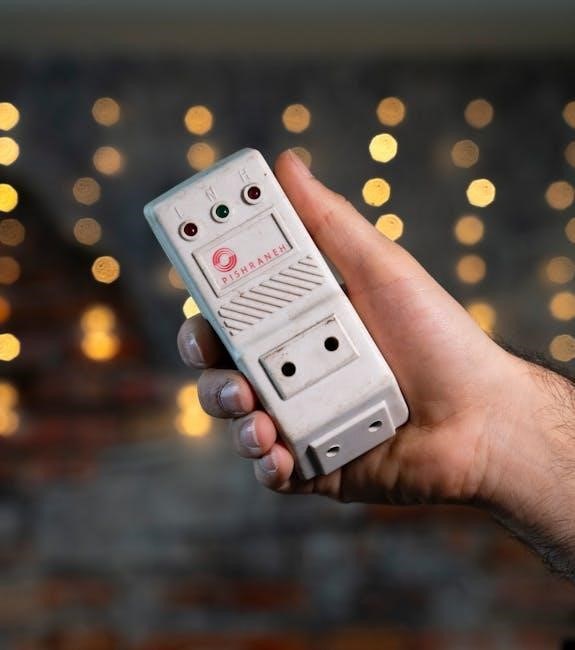
The Horstmann Electronic 7’s control panel is designed for intuitive operation, featuring key components for managing your hot water heating. Central to this is the “BOOST” button, a primary method for instantly activating the immersion heater for a fixed one-hour period. This provides on-demand hot water when needed, overriding programmed schedules temporarily.
Alongside the boost button is the Switched Output Control. This element manages the power supply to the immersion heater, enabling or disabling heating based on programmed times or manual boost activation. It’s the core mechanism through which the Electronic 7 regulates water temperature and optimizes energy consumption.

These two controls work in harmony, allowing for both automated and manual operation. The boost button offers immediate gratification, while the switched output control ensures efficient, scheduled heating. Understanding their functions is vital for maximizing the benefits of the Electronic 7 and tailoring hot water availability to your specific requirements.
Setting the Current Time
Accurate timekeeping is fundamental to the Horstmann Electronic 7’s functionality, ensuring timed heating periods operate as intended. The unit features an LCD display specifically designed to show the current time and facilitate setting program times. Before programming heating schedules, it’s crucial to establish the correct time.
While the provided documentation doesn’t detail the exact procedure for time setting, it’s implied that the LCD display interface is used for this purpose. Typically, this involves pressing and holding a button (not explicitly identified in the source material) to enter time-setting mode. Then, using other buttons, the hour and minute values are adjusted until they reflect the current time.
Confirming the set time is essential. An incorrect time will shift all programmed heating periods, potentially leading to hot water being unavailable when needed or wasted energy during unoccupied periods. Therefore, verifying the displayed time after setting is a vital step in the initial setup and after any power outages.
Programming Timed Heating Periods
The core function of the Horstmann Electronic 7 is to heat water during off-peak electricity tariffs, typically overnight. Programming these timed heating periods is essential for maximizing cost savings. The LCD display serves as the interface for setting these schedules, allowing users to define when the immersion heater activates automatically.
Although the precise programming steps aren’t detailed in the provided text, the controller is designed to leverage cheaper night-rate electricity. This suggests a primary timed period coinciding with off-peak hours. The system also accommodates additional cheaper daytime periods, offering flexibility for varied tariff structures.
Successful programming relies on accurately setting the start and end times for these heating periods. Consider your hot water usage patterns and tank size when determining the duration of each period. Proper scheduling ensures a sufficient supply of hot water while minimizing energy consumption during peak rate times. Regular review and adjustment of these periods may be needed based on seasonal changes or altered usage.
Utilizing Off-Peak Electricity Tariffs
The Horstmann Electronic 7 is specifically engineered to capitalize on off-peak electricity tariffs, significantly reducing heating costs. These tariffs offer lower rates during designated periods, typically overnight, making it economically advantageous to heat water then. The controller’s programming capabilities are central to this functionality, allowing users to align heating cycles with these cheaper rates.
The system’s design prioritizes heating water during the night, ensuring a readily available supply for the following day. This approach is particularly effective for standard tank sizes and typical hot water consumption. However, the Electronic 7 doesn’t limit itself to a single off-peak period.
Recognizing that some tariffs include additional cheaper periods during the day, the controller offers extra switching options. This adaptability allows users to maximize savings, even with complex tariff structures. Effectively utilizing these features requires understanding your specific electricity plan and configuring the controller accordingly, ensuring optimal energy efficiency and cost reduction.
Manual Boost Function: One-Hour Operation
The Horstmann Electronic 7 provides a convenient manual boost function for immediate hot water needs. Activating this feature is straightforward: simply press the clearly labeled “BOOST” button on the unit’s control panel. Upon activation, the immersion heater will switch on, providing a one-hour heating cycle to quickly supplement your hot water supply.
This function is ideal for situations where hot water demand unexpectedly increases, or when the programmed heating periods haven’t yet activated. It offers a rapid solution without requiring adjustments to the established heating schedule. However, it’s crucial to understand the boost function’s limitations.
The Electronic 7 is designed to prioritize programmed heating. Therefore, the manual boost will not operate if a timed heating period is already in progress. Furthermore, if a boost is activated during a timed period, it will be automatically cancelled, ensuring the programmed schedule takes precedence. This prevents conflicts and maintains efficient energy usage.
Boost Cancellation During Timed Heating
The Horstmann Electronic 7 prioritizes programmed heating schedules to maximize energy efficiency and cost savings. A key feature reflecting this design is the automatic cancellation of the manual boost function when a timed heating period is active. This ensures the pre-set schedule isn’t disrupted by manual intervention.
If you attempt to activate the boost while a timed heating period is running, the unit will recognize this conflict and prevent the boost from initiating. Similarly, should you activate a boost that overlaps with the start of a scheduled heating period, the boost will be immediately cancelled. This behavior is intentional and designed to maintain consistent, predictable hot water availability.
This safeguard prevents unnecessary heating and ensures you benefit fully from off-peak electricity tariffs. The system intelligently manages heating cycles, prioritizing the most economical approach. Understanding this functionality is crucial for optimal use of the Electronic 7, allowing you to rely on its programmed efficiency without concern for accidental overrides.
Programming the Boost Element (Upper Element)
The Horstmann Electronic 7 offers a valuable feature for optimizing hot water heating: programming the ‘boost’ element, typically the upper element within your hot water tank. This allows for targeted heating of a smaller water volume, ideal for supplementing overnight heating and ensuring readily available hot water.
Instead of heating the entire tank with each boost, programming this element heats only a portion, reducing energy consumption. This is particularly useful if your hot water usage patterns indicate a consistent need for a smaller amount of hot water throughout the day. The unit allows you to set a specific time for this upper element to activate daily.
This programmed boost provides a convenient and efficient way to maintain a reserve of hot water without the energy cost of a full tank heating cycle. It’s a smart solution for households with predictable hot water demands, maximizing the benefits of off-peak tariffs and minimizing overall energy expenditure. Consult the full programming instructions for detailed steps.
Troubleshooting Common Issues
If your Horstmann Electronic 7 isn’t functioning as expected, several common issues can be easily addressed. First, verify the unit is receiving power and the immersion heater itself is operational. If the LCD display is blank, check the power supply and connections.
A frequently encountered problem is the boost function failing to operate. Remember, the boost will not operate during programmed timed heating periods – this is a safety feature. Ensure no timed periods are active when attempting a manual boost. If the issue persists, a reset to factory defaults (see section on resetting) might resolve the problem.
If hot water isn’t heating sufficiently, confirm the time and programmed heating periods are correctly set. Also, consider the tank size and your household’s hot water consumption. For persistent issues, consult a qualified electrician. Always prioritize safety and avoid attempting repairs beyond your expertise.
Safety Precautions
When installing and operating your Horstmann Electronic 7, strict adherence to safety precautions is paramount. Always disconnect the electrical supply before undertaking any installation or maintenance work. Never attempt to repair the unit yourself; qualified personnel should handle all repairs to avoid electrical hazards.
Ensure the unit is properly earthed and installed in accordance with current electrical regulations. Avoid exposing the Electronic 7 to excessive moisture or extreme temperatures. Regularly inspect the wiring and connections for any signs of damage or wear. Do not operate the unit if any damage is detected.
Be mindful of the hot water temperature, especially in households with vulnerable individuals like children or the elderly. The immersion heater can become very hot during operation. Never bypass any safety features or tamper with the unit’s internal components. Prioritize electrical safety at all times.
Technical Specifications
The Horstmann Electronic 7 is designed for 230V AC operation, with a maximum load capacity suitable for standard immersion heaters. It features a built-in real-time clock for accurate timekeeping and programming. The unit incorporates multiple off-peak switching periods, accommodating various electricity tariffs, including those with daytime cheaper rates.
The LCD display provides clear visibility of the current time and programmed settings. The unit’s internal memory retains programming even during power outages. Operating temperature range is between 0°C and 40°C, ensuring reliable performance in typical indoor environments. Dimensions are approximately 140mm x 90mm x 50mm, allowing for flexible installation options.
The Electronic 7 utilizes a quartz crystal oscillator for precise timing. It’s constructed with durable materials for long-term reliability. The switched output control manages the immersion heater’s power supply efficiently. This controller is designed for domestic hot water systems and is not intended for commercial applications.
Resetting to Factory Defaults
Returning the Horstmann Electronic 7 to its original factory settings will erase all programmed times and settings, reverting the unit to its initial state. This is useful for troubleshooting or when preparing the controller for a new installation. The process is straightforward, designed for ease of use by the end-user.
To initiate a factory reset, simultaneously press and hold the ‘Boost’ button and the ‘Switched Output Control’ button. Continue holding both buttons for a minimum of ten seconds. The LCD display will briefly flash, indicating that the reset process has begun. Release the buttons once the display confirms the reset.
Following the reset, the time will need to be re-entered, and all timed heating periods and boost element settings will need to be reprogrammed. Ensure you have a record of your desired settings before performing a reset. This procedure effectively clears all user-defined configurations, providing a clean slate for new programming.